 blog
Best Way to Fix Chipped Teeth: Your Complete Guide
Table of Contents
- The Best Way to Fix Chipped Teeth Starts With a Triage Plan
- How to Fix a Chipped Tooth at Home Before Your Appointment
- Dental Bonding for a Chipped Tooth: The Go-To Repair for Small Chips
- Veneers for Chipped Teeth: When a Cosmetic Fix Makes Sense
- Crowns, Root Canals, and Implants for Severe Tooth Fractures
- Chipped Tooth Repair Cost and What Insurance Typically Covers
- How Long Chipped Tooth Repairs Last and How to Protect Them
- Frequently Asked Questions
Last Updated: October 21, 2026
The Best Way to Fix Chipped Teeth Starts With a Triage Plan
The best way to fix chipped teeth depends on how deep the damage goes: a small enamel chip and a fracture exposing the pulp need completely different care.
A chipped tooth is a break in the enamel that can extend into the softer dentin or the pulp. Most chips are minor; some are dental emergencies. Sorting out which one you have takes about five minutes.
How to Assess Your Chip in the First Five Minutes
Run through this checklist to decide whether to call a dentist today or book a routine visit.
- Is there pain? Sharp pain means the inner tooth may be exposed.
- Is there bleeding? Bleeding from the gum or tooth needs prompt care.
- Can you see pink or red inside the chip? That suggests the pulp is involved.
If you answered yes to pain, bleeding, or a loose tooth, call a dentist now. If the chip is small, painless, and only affects the surface, you have time to plan.
How to Fix a Chipped Tooth at Home Before Your Appointment
You cannot repair a chipped tooth at home, but you can protect it until a dentist sees you. These steps reduce pain and lower the risk of further damage.
- Rinse your mouth with warm salt water to clean the area.
- Save any broken piece and bring it to your appointment.
- Apply dental wax over a sharp edge to protect your tongue and cheek.
- Use a cold compress on the outside of your face if there is swelling.
- Take an over-the-counter pain reliever as directed on the label.
- Avoid hard, sticky, or very hot foods until you are seen.
- Chew on the opposite side of your mouth.
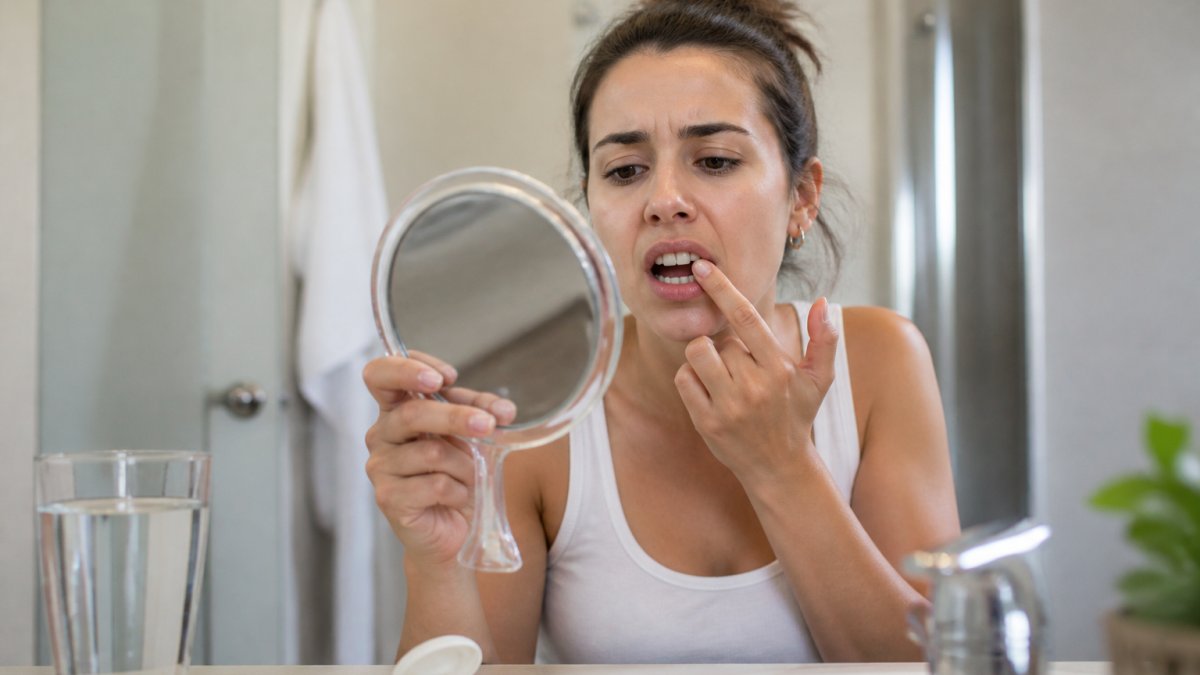
If you have pain, swelling, or bleeding that won't stop, seek urgent dental care the same day, a fracture reaching the pulp can worsen quickly.
Dental Bonding for a Chipped Tooth: The Go-To Repair for Small Chips
Dental bonding is the most common fix for small chips, especially on front teeth.
Bonding is cost-effective, requires no removal of healthy tooth structure, and takes under an hour. It works best for minor chips and cosmetic touch-ups.
Where it falls short: bonding material is not as strong as porcelain. It can stain over time and may need touch-ups every few years, especially if you drink coffee or smoke.
- Best for: small chips, front teeth, budget-conscious repairs
- Appointments: usually one
- Durability: a few years with good care
Veneers for Chipped Teeth: When a Cosmetic Fix Makes Sense
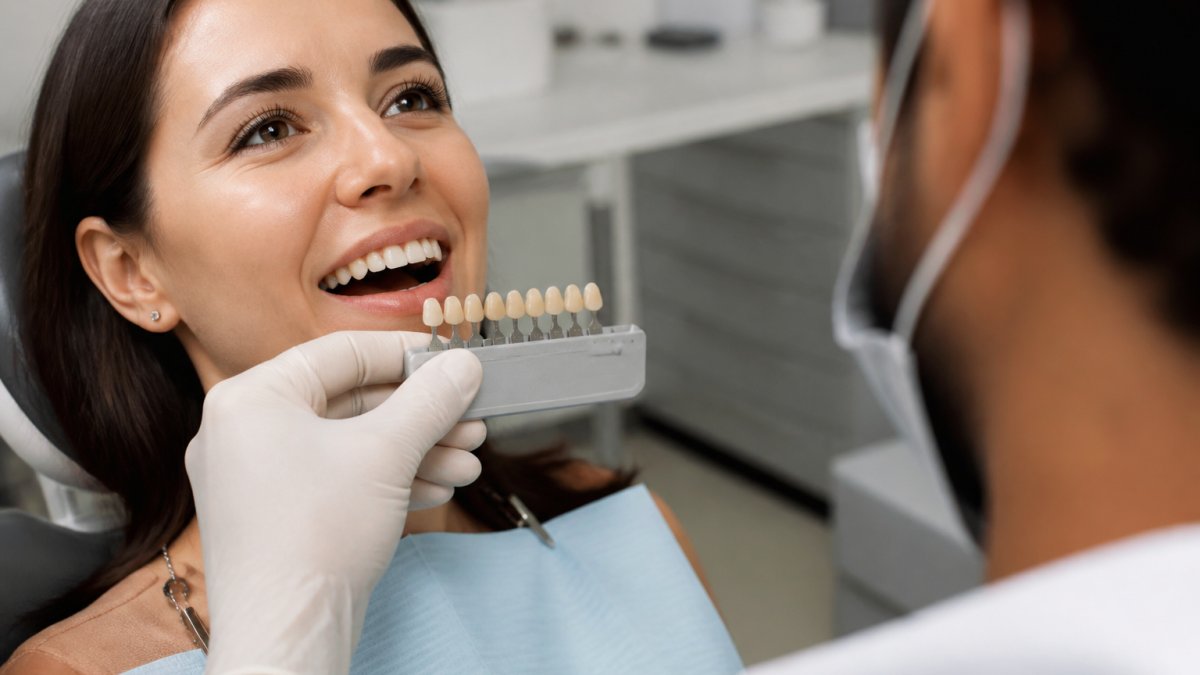
Veneers are thin porcelain shells bonded to the front of teeth. They are a strong choice for larger chips, discolored teeth, or a longer-lasting cosmetic result that bonding cannot match.
For readers weighing options, our team at Smiles of San Marcos offers veneers as part of our cosmetic dentistry services. We walk you through what to expect before any enamel is touched.
| Repair | Best For | Appointments | Strength |
|---|---|---|---|
| Bonding | Small chips | 1 | Moderate |
| Veneer | Larger front-tooth chips | 2+ | High |
| Crown | Severe fractures | 1-2 | Very high |
| Root canal + crown | Pulp exposure | 2+ | Very high |
| Implant | Non-restorable tooth | Multiple | Highest |
Crowns, Root Canals, and Implants for Severe Tooth Fractures
A large fracture needs more than a surface fix. When a chip is deep or the tooth is badly broken, a dentist may recommend a crown to cover and protect what remains, restoring function and appearance.
If the fracture reaches the pulp, root canal therapy may be needed to remove infected tissue before a crown is placed. And when a tooth cannot be saved, a dental implant or dental bridge can replace it.
- Dental crown: covers and protects a damaged tooth
- Root canal therapy: treats infection when the pulp is exposed
- Dental implant: replaces a lost tooth with a permanent anchor
This is where a proper dental examination and X-ray matter most. Imaging shows how far the fracture runs, which decides the treatment plan.
Chipped Tooth Repair Cost and What Insurance Typically Covers
Cost is usually the second question after "Will it hurt?" Here is a practical framework for estimating what you will pay and how insurance interacts with each repair type.
Typical U.S. Price Ranges by Repair Type
Fees vary by region, provider, and tooth position, but these ranges reflect common fee schedules for a single tooth. Treat them as planning ranges, not quotes, always ask for a written estimate.
| Repair | Typical fee range (per tooth) | What drives the price |
|---|---|---|
| Dental bonding (composite) | $150-$600 | Number of surfaces, anterior vs. posterior, polishing |
| Porcelain veneer | $900-$2,500 | Lab fee, ceramic type, number of teeth in the case |
| Full coverage crown | $800-$2,000 | Porcelain vs. zirconia vs. PFM, lab fee, build-up needed |
| Root canal (anterior) | $500-$1,000 | Tooth position, number of canals, retreatment vs. first-time |
| Root canal (molar) | $800-$1,500 | Canal count, difficulty, endodontist vs. general dentist |
| Dental implant (single) | $3,000-$5,000+ | Implant brand, bone grafting, abutment, crown |
| Dental bridge (3-unit) | $2,000-$5,000 | Number of pontics, material, prep of abutment teeth |
Bonding is almost always the least expensive path and often the right first move for a small chip. Crowns and root canals are priced separately, a root canal plus a molar crown can exceed $2,000 before insurance.
How Dental Insurance Usually Handles Each Repair
Most dental plans classify procedures into tiers, and the tier, not the price, determines your share:
- Preventive (typically 100% covered): exams, cleanings, X-rays. Not relevant to the repair itself, but these visits catch chips early.
- Basic restorative (typically 80% covered after deductible): fillings and composite bonding. This is why bonding is often the most insurance-friendly repair.
- Major restorative (typically 50% covered after deductible): crowns, bridges, root canals, implants.
Two plan mechanics matter more than the percentages. Most plans have an annual maximum, commonly $1,000-$2,000, and once you hit it, you pay 100% until the plan year resets; a crown plus a root canal can exhaust a $1,500 maximum in one sitting. Waiting periods of 6-12 months often apply to major services, so a crown needed right after you enroll may not be covered yet.
Questions to Ask Before You Commit
- Is this code basic or major on my plan? The same crown can be classified differently across carriers.
- Have I met my deductible this year? If not, ask what the out-of-pocket difference is between treating now versus after the deductible is met.
- How much of my annual maximum is left? If you are close to the cap, ask whether staging treatment across two plan years saves money.
- Is there a pre-treatment estimate? Most carriers will pre-authorize major work; ask the front office to submit one.
- What is the follow-up cost? Bonding may need refresh in a few years; ask what a re-bond or polish typically runs at that practice.
If you are uninsured, ask about in-office membership or discount plans, many practices offer 10-20% off fee schedules for members, which can bring a crown closer to the insured out-of-pocket cost.
How Long Chipped Tooth Repairs Last and How to Protect Them
Durability determines whether a cheaper fix is actually cheaper over five or ten years. Below are realistic longevity ranges and the maintenance each repair demands.
Expected Longevity by Repair Type
These ranges reflect common clinical experience; individual results depend on bite forces, hygiene, and the size of the original chip.
| Repair | Typical lifespan | Common failure mode |
|---|---|---|
| Composite bonding | 3-7 years | Chipping at the margin, staining, wear |
| Porcelain veneer | 10-15 years | Debonding, fracture under heavy bite |
| Full coverage crown | 10-15+ years | Margin leakage, porcelain fracture, decay at the margin |
| Root canal + crown | 10-15+ years (crown); tooth may need retreatment | Reinfection, fracture of the root |
| Implant + crown | 15-20+ years (implant); crown may need replacement sooner | Peri-implantitis, crown wear |
Bonding has the lowest upfront cost but the highest replacement frequency: over 15 years, three or four bondings can approach the cost of a single veneer, though bonding preserves more natural tooth. Veneers and crowns trade enamel removal for longevity.
Maintenance Differences That Actually Matter
- Bonding: Composite is porous and stains. Limit coffee, tea, red wine, and tobacco; ask about a polishing at each cleaning. Avoid biting ice, pens, and fingernails, composite fractures at sharp edges.
- Veneers: Porcelain does not stain, but the bonding agent at the margin can. Floss carefully around the margin and avoid using your front teeth to tear open packaging.
- Crowns: The crown itself is strong, but the tooth underneath is not. Decay at the margin is the leading reason crowns fail, so hygiene at the gumline matters more than the crown material.
Protecting the Repair, and Preventing the Next Chip
- Nightguard if you grind. Grinding (bruxism) is one of the most common causes of repeat fractures. A custom nightguard from your dentist typically runs $300-$800 and protects every repair in your mouth at once.
- Sports mouthguard. Over-the-counter boil-and-bite guards are adequate for many sports; a custom guard is worth it for contact sports or if you already have bonding or veneers.
- Diet habits. Avoid chewing ice, hard candy, unpopped popcorn kernels, and olive pits. Do not use teeth as tools.
When to Expect Repeat Treatment
Budget for maintenance rather than assuming a one-time fix. Bonding on a front tooth in a grinder may need refresh every 3-4 years; a well-maintained veneer or crown in a non-grinder can last over a decade. Ask your dentist for the expected replacement timeline for your specific tooth and bite, that number, not the sticker price, is the real cost.
Frequently Asked Questions
Can a chipped tooth heal on its own?
No. Enamel and dentin do not regrow, so a chipped tooth will not repair itself. Small chips may feel less sharp over time as edges wear down, but the tooth structure stays compromised. Exposed dentin can lead to sensitivity to hot and cold, and a chip that reaches the pulp can cause pain or infection. Even a minor chip is worth a dental examination and X-ray so your dentist can confirm the depth and recommend the best way to fix chipped teeth before the damage spreads.
How much does chipped tooth repair cost, and will insurance cover it?
Chipped tooth repair cost depends on the treatment. Dental bonding is usually the most cost-effective option, while veneers and crowns cost more because they involve custom restorations and more appointments. Many dental insurance plans cover bonding and crowns as restorative care, often at 50 to 80 percent after a deductible, but cosmetic veneers are frequently excluded. Ask your provider for a pre-treatment estimate in writing. At Smiles of San Marcos, current pricing is listed on the practice website so you can plan before your visit.
Can a dentist fix a chipped tooth in one visit?
Often, yes. Dental bonding for a chipped tooth is typically completed in a single appointment. Your dentist roughens the surface, applies a tooth-colored composite resin, shapes it, and hardens it with a curing light. Small chips may take under an hour. Veneers and crowns require at least two visits because the restoration is custom-made. If the chip reaches the pulp and root canal therapy is needed, expect additional appointments. A dental examination and X-ray determine which path applies to you.
What should I do right away if I chip a tooth?
Rinse your mouth with warm water and save any broken fragment in milk or saline. Apply a cold compress if there is swelling, and cover a sharp edge with dental wax or sugar-free gum to protect your tongue. Avoid chewing on that side and skip very hot or cold drinks if the tooth is sensitive. Call your dentist the same day. Quick action reduces pain and lowers the chance of further fracture, and it gives your dentist the best chance to repair the tooth conservatively.