 ultimate-guide
Are Affordable Dental Implants in San Marcos Worth It?
Last Updated: October 26, 2026
Quick Summary
Affordable dental implants in San Marcos are a genuine option for most patients with missing teeth, and the process is more predictable than the internet makes it sound. At Smiles of San Marcos, we walk you through every stage before treatment begins, so nothing about the timeline or the bill arrives as a surprise.
- Dental implant cost in San Marcos depends on the number of implants, bone grafting, restoration type, and imaging.
- Ask for an itemized written plan that separates imaging, placement, grafting, abutment and crown, and follow-up.
- Bone grafting adds a step and typically several months of healing before implant placement.
- Third-party healthcare lenders offer fixed-rate plans, and longer terms lower the monthly payment.
- The full timeline usually runs several months from first visit to final crown, driven by healing.
Table of Contents
- Affordable Dental Implants in San Marcos: What to Expect
- Dental Implant Cost in San Marcos: What Drives the Price
- Single Tooth Dental Implant Cost and Why It Varies
- Bone Graft Cost Before Dental Implants: When It's Needed
- Dental Implant Financing Options That Make Treatment Affordable
- Your Treatment Timeline: From Consultation to Final Crown
- How to Book Your Implant Consultation at Smiles of San Marcos
- Frequently Asked Questions
Affordable Dental Implants in San Marcos: What to Expect
Affordable dental implants in San Marcos are a genuine option for most patients with missing teeth, and the process is more predictable than the internet makes it sound.
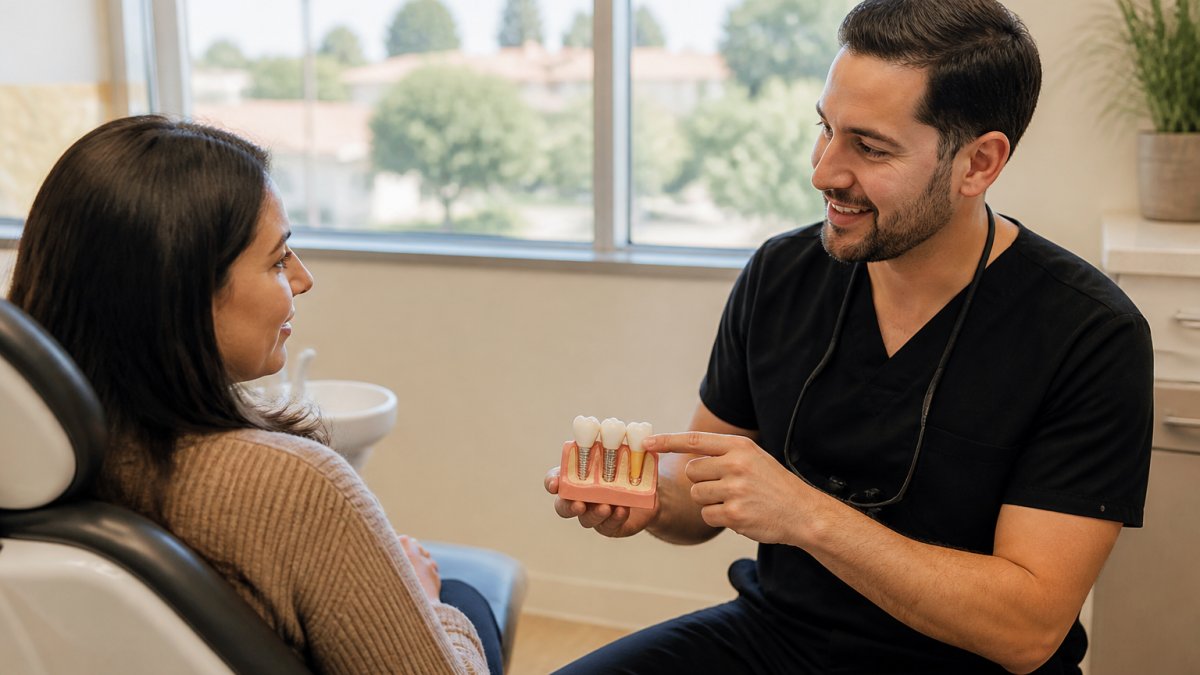
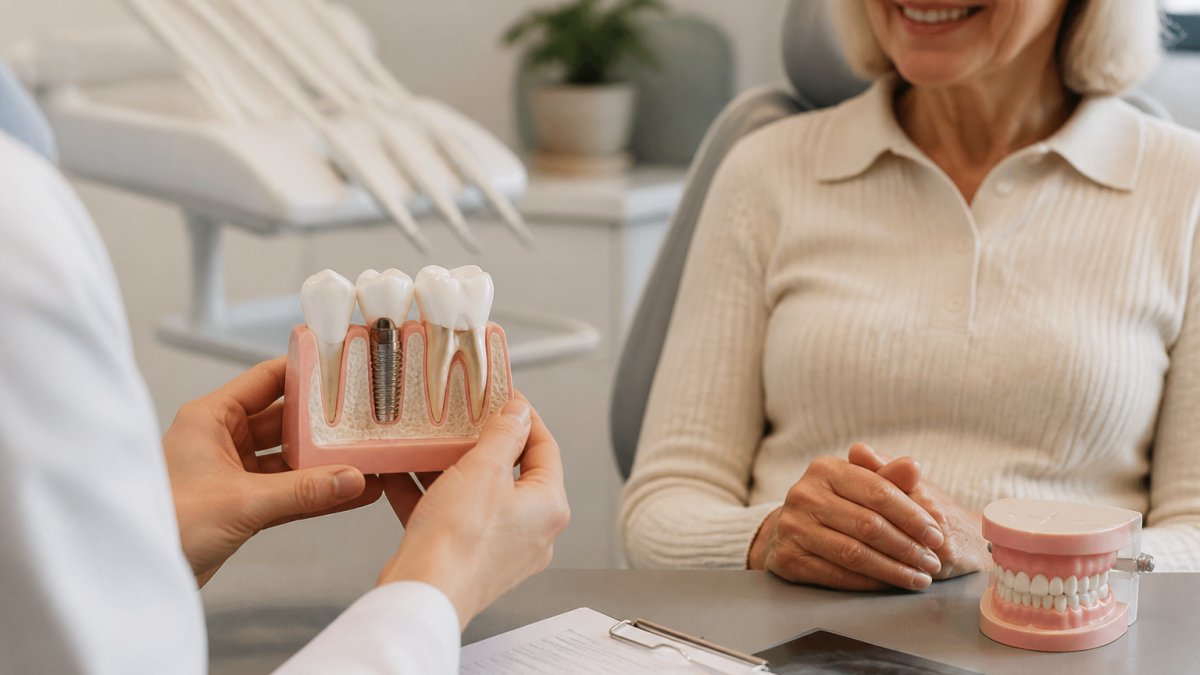
A dental implant is a titanium post placed in the jawbone to replace a missing tooth root, topped with an abutment and a custom crown.
Why Implants Beat Bridges and Dentures for Most Missing Teeth
Bridges and dentures have their place, but implants win on longevity and comfort for most patients. A bridge requires grinding down healthy neighboring teeth for support. Dentures sit on the gums and can slip, and many patients find chewing harder than expected.
An implant stands alone. It preserves the jawbone, which shrinks after tooth loss without stimulation from a root. For a single missing tooth, a single-tooth replacement consultation is the fastest way to learn whether an implant or bridge fits your situation.
Dental Implant Cost in San Marcos: What Drives the Price
Dental implant cost in San Marcos depends on four variables: the number of implants, whether bone grafting is needed, the type of restoration, and the imaging and planning involved. There is no single flat fee because no two mouths are identical, but that does not mean you should accept a lump-sum number you cannot audit.
Most practices in the area quote a single implant with crown somewhere in the low-to-mid four figures in USD, with the surgical placement and the restoration often billed separately. The exact figure moves with the four variables below, and any quote you receive should show each one as its own line. For the full pricing picture, see our dental implant cost breakdown.
The Four Cost Components of Every Implant
- Implant fixture: the titanium post itself, sized to the site
- Abutment: the connector between post and crown, sometimes custom-milled
- Crown or restoration: the visible replacement tooth, stock or custom-shaded
- Imaging and planning: scans, X-rays, and any surgical guide used at placement
Extraction of a failing tooth, bone grafting, and sedation are separate line items when needed. Ask any provider for an itemized treatment plan in writing. A quote that arrives as one lump sum is a quote you cannot compare.
What a Comparable Quote Should Show
When you request a written plan, check that it separates:
- Diagnostic imaging, panoramic X-ray or CBCT scan, and whether the fee is credited toward treatment
- Surgical placement, the implant fixture and the placement procedure, including anesthesia
- Any graft, material type and the healing window it adds
- Abutment and crown, material, lab fee, and whether the crown is included or billed at restoration
- Follow-up visits, post-op checks and torque testing, or whether those are bundled
A plan that lists these five buckets lets you compare two offices on the same terms. A plan that folds them into one number does not.
What Pushes the Price Up or Down
- Bone volume: adequate bone means no graft; thin bone adds a graft and months of healing
- Tooth position: front teeth usually need custom shading and more precise planning than molars
- Number of implants: a single implant is the least expensive case; multiple implants or an implant-supported bridge scale the surgical and lab fees
- Sedation: oral or IV sedation is a separate fee when requested
- Provider and lab: in-house milling versus an outside lab changes the restoration line
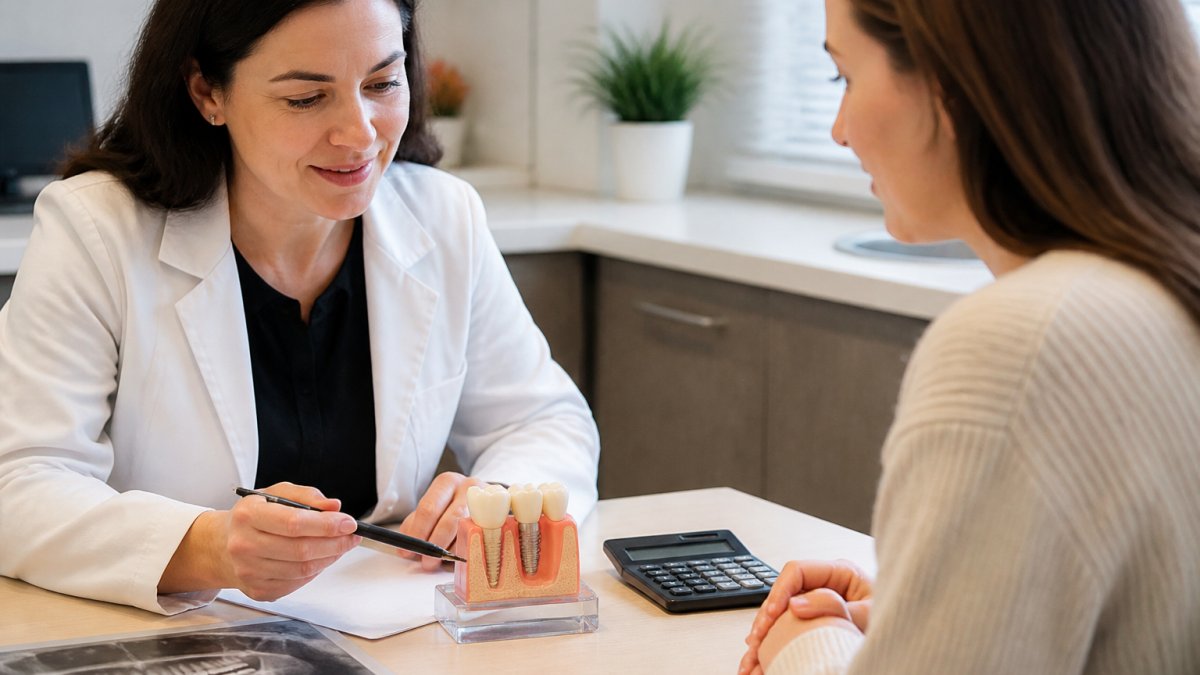
We walk through our pricing line by line at the consultation. Bring any quote you have already received, we will map it against the five buckets above so you can see what is included and what is not.
Single Tooth Dental Implant Cost and Why It Varies
Single tooth dental implant cost varies more than patients expect, and the reason is usually anatomy. One patient has dense bone and a straightforward socket.
Restoration material matters too. A custom-shaded crown costs more than a stock option, and front teeth usually justify the upgrade. Where the tooth sits changes the planning complexity as well.
The honest answer: a single implant is the least expensive implant case, but only an exam tells you which category you fall into.
Bone Graft Cost Before Dental Implants: When It's Needed
Bone graft cost before dental implants gets added when the jaw lacks enough bone to hold the post securely. Gum disease, long-term tooth loss, and prior extractions all cause bone to recede over time.
Grafting adds a step and a healing window, typically several months before implant placement. It is not a complication so much as a prerequisite. Skipping it when it is needed is how implants fail.
Your dentist should tell you at the consultation whether grafting is likely, based on imaging, not guesswork.
Dental Implant Financing Options That Make Treatment Affordable
Dental implant financing options turn a lump sum into a manageable monthly figure.
Insurance is the other lever. Many PPO dental plans contribute toward the crown portion of an implant-supported restoration, even when they exclude the surgical placement.
A common mistake is assuming implants are out of reach without checking financing first. Ask two questions: what does my plan cover, and what monthly payment can I comfortably carry?
Your Treatment Timeline: From Consultation to Final Crown
The full timeline usually runs several months from first visit to final crown, and the healing period drives most of that. The table below is the skeleton; the notes after it are where most patients' questions actually live.
| Stage | What Happens | Typical Duration |
|---|---|---|
| Consultation and imaging | Exam, scans, candidacy review, written plan | 1 visit |
| Bone graft (if needed) | Graft placed, healing before implant | Several months |
| Implant placement | Post inserted into the jawbone | 1 surgical visit |
| Healing and integration | Implant fuses with bone | Several months |
| Restoration | Abutment and crown fitted | 2-3 visits |
Stage 1: Consultation and Candidacy
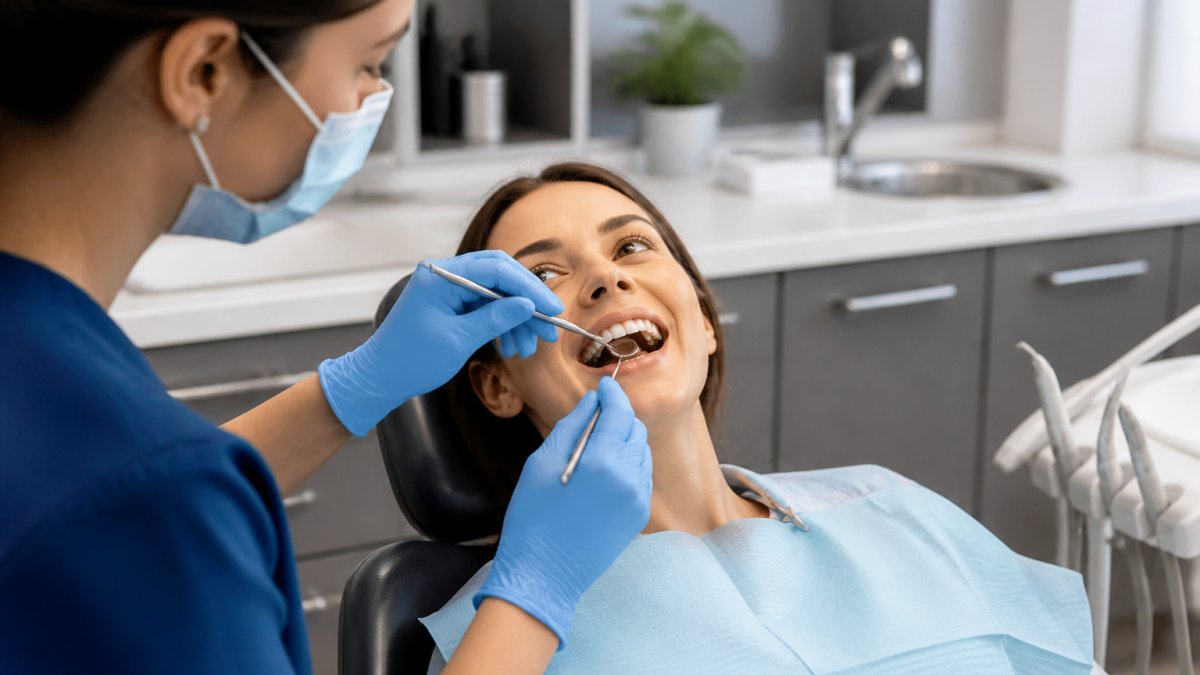
The consultation is where candidacy gets settled. A comprehensive dental exam reviews your bone health, gum condition, and medical history before anyone commits to a plan. Expect imaging, a panoramic X-ray at minimum, and often a CBCT scan to measure bone width and height in three dimensions.
Candidacy is not a yes-or-no verdict so much as a list of conditions to address first. Common findings that change the plan:
- Insufficient bone, grafting or a sinus lift before placement
- Active gum disease, treated and stabilized before surgery
- Uncontrolled diabetes or smoking, both slow healing and raise failure risk; your dentist will discuss timing and expectations
- Medications affecting bone healing, reviewed at this visit
If an implant is not the right call, alternatives such as a bridge or a partial denture should be on the table at the same conversation, with the trade-offs stated plainly.
Stage 2: Bone Graft, If Needed
Grafting adds a step and a healing window, typically several months before implant placement. It is not a complication so much as a prerequisite. Skipping it when it is needed is how implants fail. Your dentist should tell you at the consultation whether grafting is likely, based on imaging, not guesswork.
Stage 3: Implant Placement
Placement is a single surgical visit, usually under local anesthesia, with sedation available for anxious patients. The post goes into the jawbone and the site is closed to heal. Most patients report soreness for a few days rather than significant pain, and many return to normal routines quickly.
Stage 4: Healing and Integration
Osseointegration, the implant fusing with bone, is the part of the timeline you cannot rush. Most practitioners find it takes a few months, though bone quality and grafting change the estimate. During this window the implant is protected, often with a temporary restoration if the tooth is visible.
Stage 5: Restoration
The abutment and crown are fitted over two to three visits: impressions or digital scans, a try-in, and final seating. Bite and shade are checked before the crown is cemented or screwed into place.
How to Book Your Implant Consultation at Smiles of San Marcos
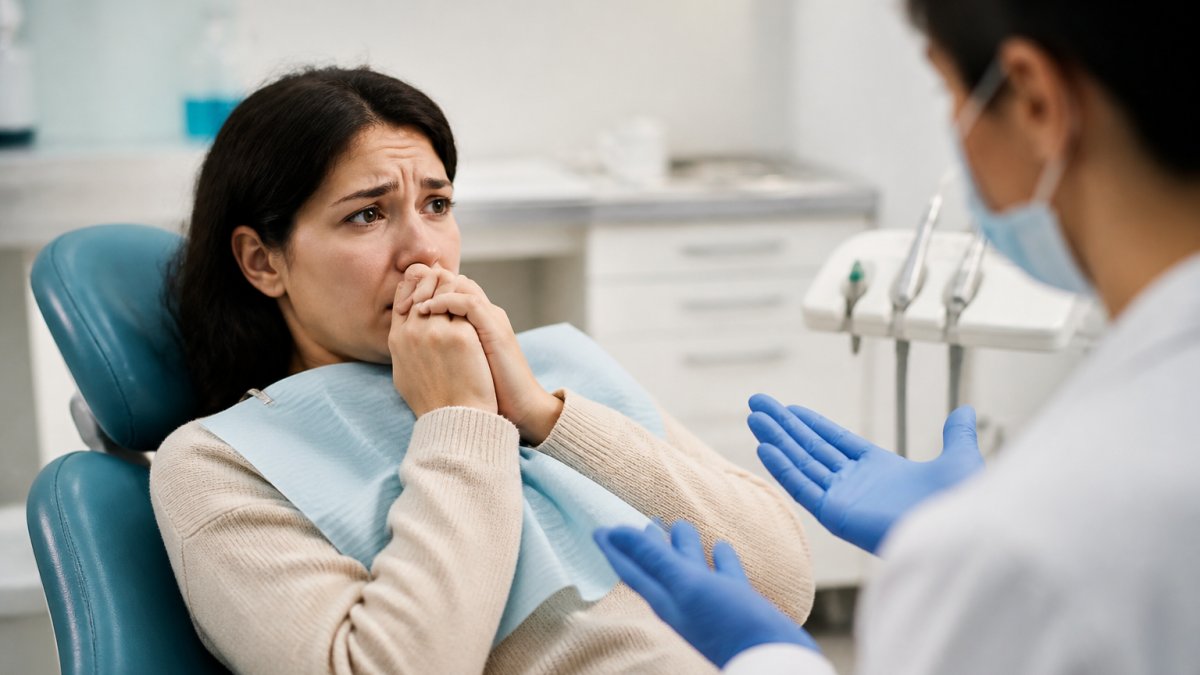
Booking is the part that stops most patients, especially those who have avoided dentists for years.
If anxiety has kept you away, read our guide on managing dental anxiety before your visit. It walks through practical steps that make the appointment easier.
Dr. Carlos Sibaja D.D.S. and Associates lead our restorative team, and we use modern imaging to plan each case. Transparent pricing, itemized plans, and a welcoming environment are how we run every appointment.
Frequently Asked Questions
What affects the cost of dental implants?
Four main factors drive the price: the implant fixture itself, the abutment and crown that sit on top, any bone graft needed to support the implant, and imaging or sedation fees. The number of missing teeth also matters, since each implant site adds cost. At Smiles of San Marcos, treatment plans are itemized so you see each component before you commit.
Does dental insurance cover dental implants?
Coverage varies by plan. Many PPO plans pay a portion of the implant crown or the extraction, but often exclude the implant fixture as a cosmetic or major procedure. Check your plan's annual maximum and major-services percentage. Smiles of San Marcos accepts PPO insurance and will verify your benefits during your consultation so you know your out-of-pocket share upfront.
Can I get dental implants if I have no dental insurance?
Yes. Insurance is not a requirement for treatment. Dental implant financing options, including monthly payment plans through third-party lenders, let you spread the cost over time. Ask about payment options at your complimentary consultation so the team can build a plan that fits your budget before any work begins.
How long do dental implants last?
With good oral hygiene and regular checkups, implants can last 15 to 25 years or longer, and many patients keep them for life. The crown on top typically needs replacement after 10 to 15 years of wear. Long-term durability depends on bone health, gum care, and whether you smoke, so maintenance appointments matter as much as the surgery itself.
Is it worth getting dental implants at 70 years old?
Age alone does not rule out implants. Candidacy depends on bone density, gum health, and managed medical conditions rather than birthday. Many patients in their 70s choose implants because they restore chewing function and avoid the slipping of dentures. A consultation with imaging will confirm whether your jawbone can support an implant.
How long does the full implant process take?
Most single implants take three to six months from placement to final crown, because the bone needs time to fuse with the implant during the healing period. Cases that need a bone graft add several months before placement. Your treatment plan at Smiles of San Marcos will map each stage with realistic dates.
Missing teeth do not fix themselves, and waiting usually makes the bone situation harder to treat. Smiles of San Marcos offers transparent pricing, modern dental technology, and a judgment-free environment so the decision stays simple. Get started with Smiles of San Marcos and schedule an appointment to find out exactly where you stand.