 Comparison
Are Dentures Cheaper Than Dental Implants? Real Costs
Last Updated: November 2, 2026
Quick Summary
Yes, dentures cheaper than dental implants is the short answer for almost every patient upfront, since a denture quote is usually close to all-in while implant quotes often exclude grafting and extractions. Over 10 to 20 years the totals can converge, though implants usually remain the higher total.
- A single-tooth implant includes three billable parts: the implant post, the abutment, and the crown, plus surgery.
- An implant quote without imaging is an estimate, not a price, because grafting needs can only be confirmed after scans.
- Dentures need periodic relines, repairs, and eventual replacement, so ownership costs recur for as long as you wear them.
- Dentures suit most patients including those with significant bone loss, while implants require enough bone volume and healthy gums.
- Ask each practice to state the unit and list every included line item so quotes can be compared honestly.
Table of Contents
- Dentures vs Dental Implants: The Upfront Cost Comparison
- Why the Bone Graft Cost Before Dental Implants Changes the Math
- The Pros and Cons of Dental Implants vs Dentures
- Long-Term Value: Comparing Lifetime Cost, Not Just Day One
- How to Finance Dental Implants When Upfront Cost Is the Barrier
- Who Is Actually Eligible for Each Option
- Getting a Straight Answer on Your Treatment Plan
- Frequently Asked Questions
Dentures vs Dental Implants: The Upfront Cost Comparison
Yes, dentures cheaper than dental implants is the short answer for almost every patient upfront.
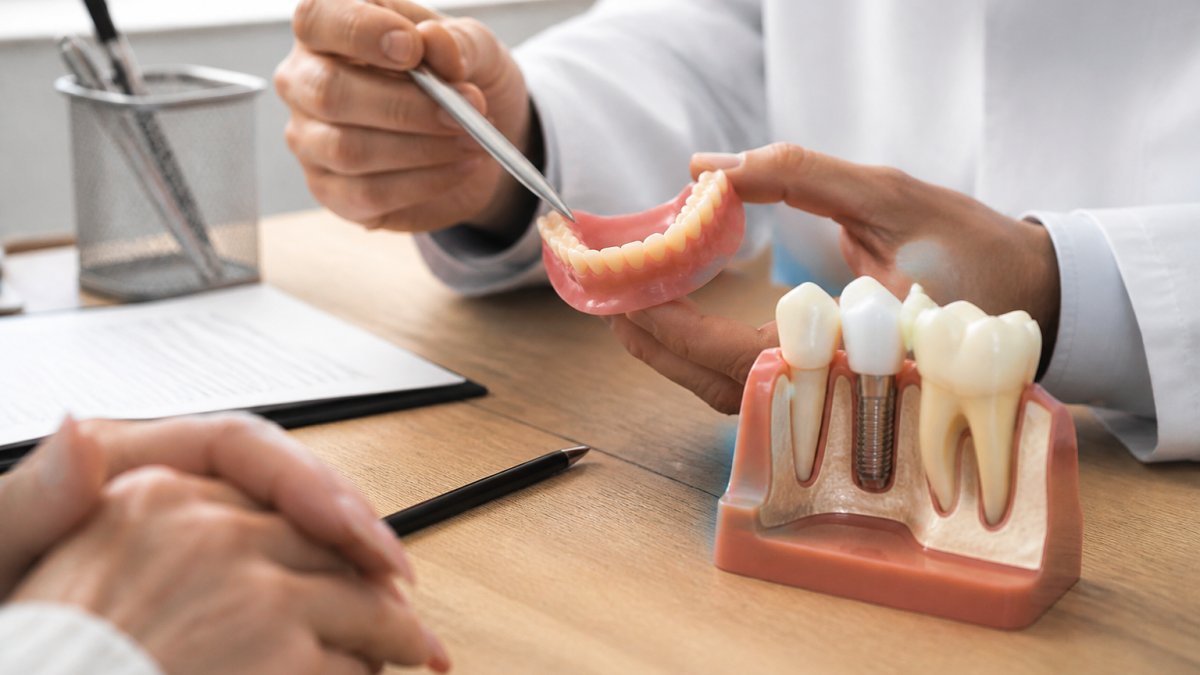
A set of traditional dentures is a removable appliance. A dental implant is a surgical procedure that places a titanium post in the jawbone, topped with an abutment and a crown.
What Traditional and Implant-Supported Dentures Cost
Traditional dentures sit at the low end of tooth replacement costs. Published cost references put average full traditional dentures in the low thousands of dollars (CareCredit's denture cost guide), and economy denture packages at national chains are listed at estimates in the high hundreds to low thousands.
Implant-supported dentures change the math. These snap onto two or more implants, so you pay for the denture plus the surgical placement. That combination pushes the total well above a standard removable denture, even though it costs less than a full-arch implant restoration.
What a Single Implant and Full-Arch Restoration Cost
A single-tooth implant includes three billable parts: the implant post, the abutment, and the dental crown, plus the surgical procedure itself. Full-arch restoration replaces an entire arch, usually with four to six implants supporting a fixed prosthesis, and it is the most expensive option in this comparison.
Published averages for implant-supported permanent options run several thousand dollars per implant (CareCredit's denture and implant cost comparison). Multiply that across a full arch and the total climbs quickly. For a line-by-line view of what drives those numbers, our dental implant cost breakdown walks through each component.
What Each Quote Actually Includes
This is the part most cost comparisons skip, and it is the reason two quotes for the "same" treatment can differ by thousands of dollars. Before you compare a denture price to an implant price, check which of these line items each quote covers:
- Consultation and imaging: exams, X-rays, and CT scans. Some practices bundle these; others bill them separately.
- Extractions: removing failing teeth is often a separate charge and may be needed before either option.
- Bone graft and sinus lift: implant-only costs that a denture quote never includes.
A denture quote is usually close to all-in because the appliance is the whole treatment. An implant quote is frequently a starting estimate, and the final bill grows as grafting, extractions, and follow-up care are added. Watch out: comparing a denture quote to an implant quote that excludes grafting and extraction is not a like-for-like comparison, and the difference can be substantial.
Why Prices Vary So Much
Implant quotes can differ substantially between providers, and the reasons often relate to provider type, materials, and treatment plan. Provider type matters: a general dentist, a periodontist, an oral surgeon, and a corporate implant chain each price the same procedure differently. Materials matter: a zirconia crown costs more than a porcelain-fused-to-metal crown, and a milled titanium bar overdenture costs more than a ball-retained one.
Why the Bone Graft Cost Before Dental Implants Changes the Math
The bone graft cost before dental implants is the line item patients forget to budget for, and it is the one that most often widens the gap between an initial quote and the final bill.
Bone loss after tooth loss is common, and a dentist can only confirm whether you need a graft after imaging.
Watch out: comparing a denture quote to an implant quote that excludes grafting and extraction is not a like-for-like comparison, and the difference can be substantial.
The Pros and Cons of Dental Implants vs Dentures
The pros and cons of dental implants vs dentures come down to cost against comfort, stability, and lifespan. Dentures win on upfront price. Implants generally offer more stable fit and function, while dentures offer a lower upfront cost. Neither option is the best choice for every patient.
Where Dentures Win
- Lowest upfront cost of any replacement option
- No surgery, no healing period, no bone graft requirement
- Faster path from consultation to a finished appliance
The trade-offs are real. Dentures are removable, so stability and fit change as the jawbone shifts over time. Sore spots, maintenance, and periodic relines are part of ownership.
Where Implants Win
- Fixed in place, so chewing and speech feel closer to natural teeth
- No removal for cleaning or soaking
- Implant posts help preserve jawbone volume, which supports oral health long term
The drawbacks are cost and process. Implants require adequate bone, a surgical procedure, and healing time before the final crown or prosthesis goes on.
| Factor | Dentures | Dental Implants |
|---|---|---|
| Upfront cost | Lower | Higher |
| Surgery required | No | Yes |
| Removable | Yes | No |
| Bone graft may be needed | No | Sometimes |
| Typical maintenance | Relines, repairs | Cleanings, monitoring |
| Jawbone preservation | Limited | Supported |
Long-Term Value: Comparing Lifetime Cost, Not Just Day One
Lifetime cost is where the cheapest option and the best value stop being the same thing. A denture has a lower purchase price, but it is replaced or relined periodically, and those costs recur. An implant costs more once, then typically needs routine care rather than replacement. The only honest way to compare them is to model the recurring costs over a realistic holding period, which is what most cost articles never do.
The Recurring Costs of Dentures
A denture is not a one-time purchase. A conventional denture may need a reline or rebase over time as the jawbone changes shape, and full replacement timing depends on wear, bite, and care. Add in repairs for cracks or broken teeth, adhesives, and cleaning products, and the ownership cost accumulates steadily. None of these charges is large on its own, but they recur for as long as you wear the appliance.
The Recurring Costs of Implants
Implants front-load the cost. After healing, the recurring expenses are routine cleanings and monitoring, plus occasional replacement of the crown or prosthesis rather than the implant post itself. An implant post placed with good bone support and cared for properly can last for many years. The crown or overdenture attached to it has a shorter life and will need replacement at some point, so the implant total is not truly one-and-done either.
Modeling the Total Over 5, 10, and 20 Years
Rather than quote a single lifetime figure, it helps to see how the shape of each option's spending differs:
- Years 1-5: Dentures cost far less in total. The implant patient has paid for surgery, grafting if needed, and the prosthesis, while the denture patient has paid for the appliance and perhaps one reline.
- Years 5-10: The denture patient has likely paid for a replacement appliance and repairs. The implant patient has paid mainly for cleanings and monitoring. The gap begins to narrow but usually does not close.
- Years 10-20: A long-term denture wearer may be on a second or third appliance with ongoing relines. The implant patient may have replaced a crown or overdenture but not the posts. Depending on how often the denture was remade, the two totals can converge, though implants usually remain the higher total.
The variables that move these scenarios most are bone health, bite forces, hygiene, smoking, and how well either appliance is maintained. A patient who grinds their teeth or has significant bone loss will see different numbers than a patient with stable bone and good habits. That is why a personalized estimate from your own dentist beats any generic lifetime figure, including the ones in this article.
What This Means for Your Decision
If you need the lowest possible outlay today, dentures remain the clear answer. If you can absorb the higher upfront cost and want to minimize recurring replacements, implants often deliver better long-term value despite the larger initial bill. If budget is the deciding factor, it is worth asking whether affordable dental implants genuinely deliver long-term value in your situation, and a written treatment plan with itemized recurring costs is the best tool for answering that.
How to Finance Dental Implants When Upfront Cost Is the Barrier
Financing is how most patients close the gap between a denture budget and an implant treatment plan. The options fall into a few categories, and knowing them before your consultation keeps the conversation practical.
- Dental insurance: coverage for implants varies widely by plan, and many plans cap annual benefits. Ask for a pre-treatment estimate.
- Third-party healthcare financing: monthly payment plans spread the total across a set term. National providers publish payment examples, and national implant chains list displayed monthly amounts on their pricing pages (Affordable Dentures & Implants pricing page).
- In-house payment arrangements: ask whether the practice offers a staged schedule tied to treatment phases.
The Consumer Financial Protection Bureau's guidance on medical financing is a useful primer on comparing payment terms before you sign.
Who Is Actually Eligible for Each Option
Eligibility is the question most cost comparisons skip, and it can decide the answer before price matters. Dentures are appropriate for most patients, including those with significant bone loss, because they do not rely on implant support.
Some patients are not candidates for implants without additional procedures. Others prefer a removable appliance for personal or medical reasons. A dentist can only determine eligibility after an exam and imaging, and no article can make that call for you.
Getting a Straight Answer on Your Treatment Plan
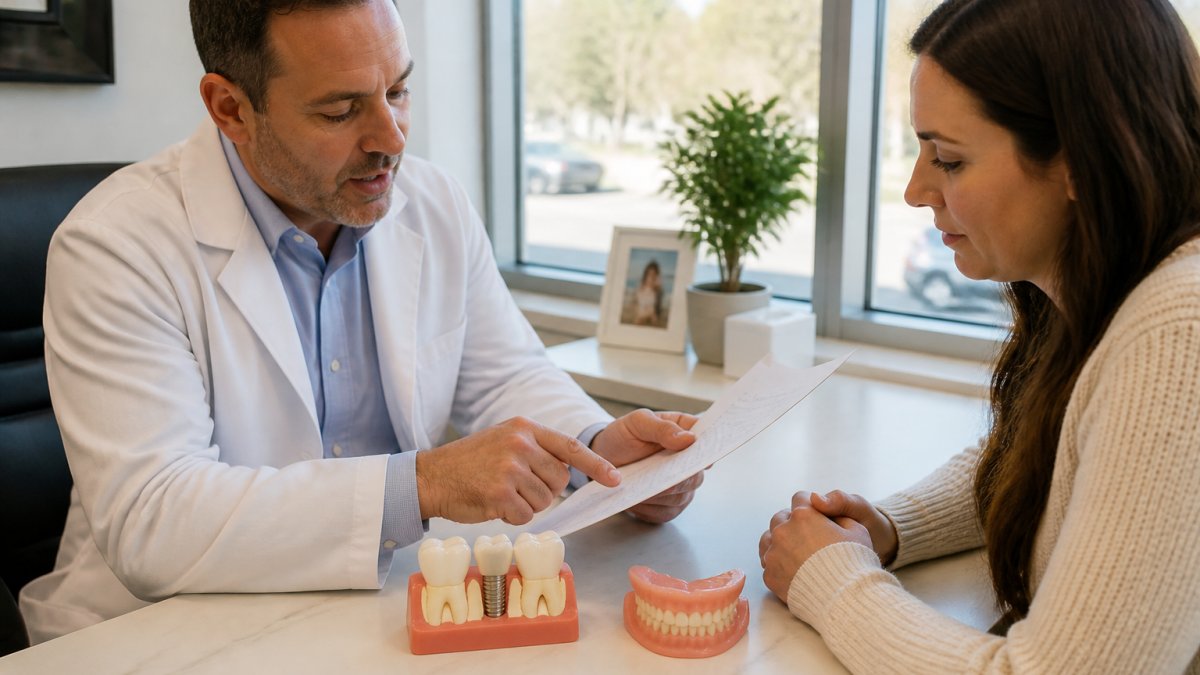
The only way to know what your treatment will actually cost is a written plan based on your own imaging and exam. Ask for the full itemized breakdown: implant components, any bone graft, extractions, lab fees, and follow-up visits. A transparent practice will put all of it in writing before you commit.
At Smiles of San Marcos, we aim to build treatment plans around transparent pricing and a judgment-free consultation, so you can see the full picture before you decide. If you have avoided the dentist out of anxiety or cost concerns, that conversation is exactly where we start. Schedule a restorative dental exam to get a real quote instead of a guess.
Frequently Asked Questions
Why do dentists discourage dentures?
Most dentists do not discourage dentures outright. They raise concerns about bone loss, fit changes, and the relines and repairs traditional dentures need over time. Dentures remain a cost-effective option for many patients, especially when implant treatment is not clinically suitable or affordable. A consultation should cover both paths honestly so you understand the trade-offs before deciding.
What are the hidden costs of dentures versus implants?
Dentures carry ongoing costs that are easy to overlook: relines as your jawbone changes, repairs for cracks or chips, adhesives, and eventual replacement. Implants have fewer routine costs but can involve a bone graft, imaging, and the abutment and crown on top of the implant post. Ask for a written treatment plan that lists every component so nothing appears later as a surprise fee.
How long do dental implants last compared with dentures?
With good oral hygiene and regular checkups, implants can last many years, and some last decades. Traditional dentures typically need relining or remaking as the jawbone changes shape, and full dentures are often replaced within several years. Lifespan depends on bone health, hygiene, grinding habits, and smoking, so your dentist should give you a realistic estimate for your case.
Is it worth getting dental implants at 70 years old?
Age alone does not rule out implants. Candidacy depends on bone volume, gum health, medications, and chronic conditions rather than birthday. Many older adults choose implants for stability and comfort with eating and speaking. A consultation with imaging will show whether a bone graft or a different approach is needed, and whether the long-term value fits your situation.
Can I finance dental implants with monthly payments?
Yes, several paths exist. Third-party healthcare financing plans spread the cost over fixed monthly payments, and some dental practices offer in-house payment arrangements. Ask about interest rates, term length, and any application fees before signing. Compare the total amount paid over the term against the quoted treatment price so you know the real cost of financing.
The cheapest option on paper is not always the right one for your mouth, your budget, or your long-term health. Get the facts on your own case before you choose. Get started with Smiles of San Marcos and walk out of your consultation with a clear, itemized plan you can actually act on.