 How-to
How Long Do Porcelain Veneers Last?
Last Updated: November 4, 2026
Quick Summary
Porcelain veneers typically last 10 to 15 years, though this is a middle estimate rather than a promise. Your bite, habits, and gum health play a large part in how long they last, so ask your dentist for an estimate based on your own situation.
- On front teeth, porcelain veneers tend to wear more slowly because they face less bite force.
- Composite veneers typically last 5 to 7 years, while porcelain veneers last 10 to 15+ years.
- Grinding and clenching can chip edges, loosen the bond, or crack the porcelain.
- Brush twice a day with a soft-bristled brush and replace it every three months.
- A loose veneer lets bacteria reach the natural tooth, so call your dentist promptly.
Table of Contents
- How Long Do Porcelain Veneers Last? The Honest Answer
- How Long Do Porcelain Veneers Last on Front Teeth?
- How Long Do Composite Veneers Last Compared With Porcelain?
- What Affects Veneer Longevity: Habits, Bite, and Gum Health
- Porcelain Veneer Care: A Daily and Yearly Maintenance Schedule
- Signs of Wear: Chipping, Cracking, and Loose Veneers
- Porcelain Veneer Replacement: Repair vs. Replace and What Happens to the Tooth
- Getting a Veneer Longevity Assessment at Smiles of San Marcos
- Frequently Asked Questions
How Long Do Porcelain Veneers Last? The Honest Answer
The lifespan of porcelain veneers varies widely, because material is only half the story, your bite, habits, and gum health play a large part in how long they last. Ask your dentist for an estimate based on your own situation.
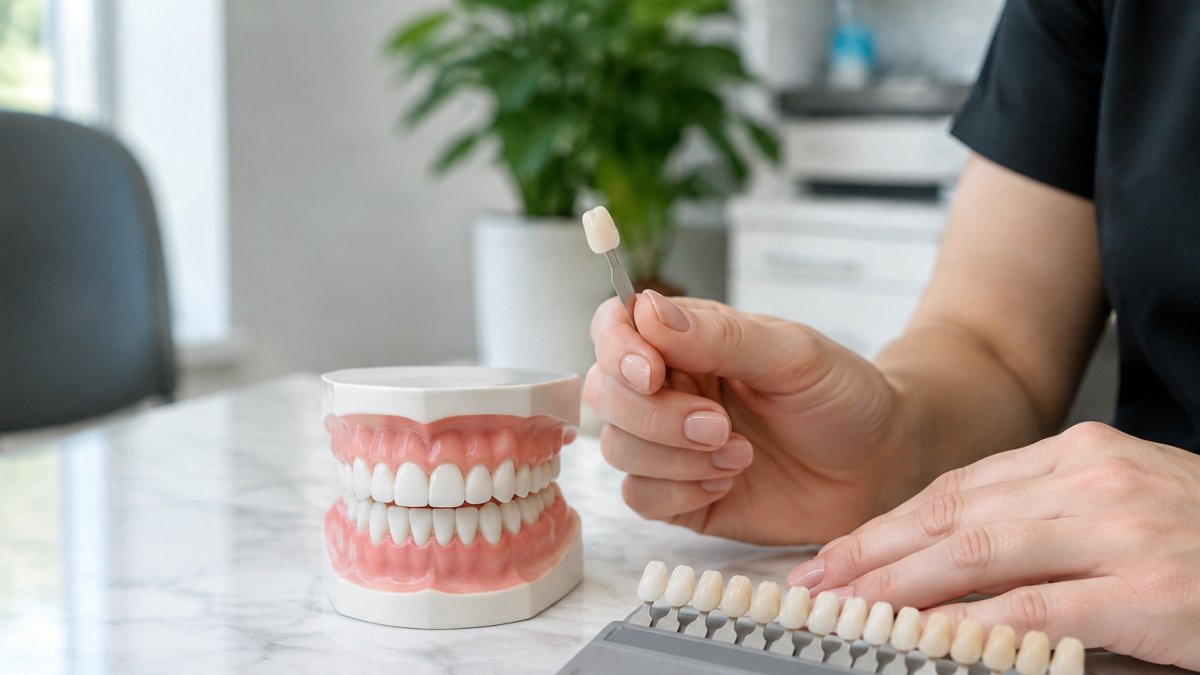
A veneer is a thin porcelain shell bonded to the front of a tooth to change its shape, color, or size.
Why Published Lifespan Ranges Differ
Lifespan estimates differ because studies count different things. Some measure how long a veneer stays on the tooth. Others measure how long it stays free of chips or cracks. A veneer can still be attached after 15 years but look worn.
Here is what changes the number from one source to the next:
- What counts as failure. A loose veneer, a chipped edge, or a replacement all get counted differently.
- Who was studied. Careful patients with healthy gums show longer lifespans than a general group.
- Where the veneers sit. Front teeth take less biting force than teeth further back.
Treat "10 to 15 years" as a middle estimate, not a promise. Your own result depends on the factors below.
How Long Do Porcelain Veneers Last on Front Teeth?
On front teeth, porcelain veneers generally face less bite force than molars, so they tend to wear more slowly. Because damage on visible teeth is noticed early, small problems are often addressed before they grow.
The front four to six teeth are the most common veneer sites. They mostly cut and tear food rather than crush it, and that lighter load helps the porcelain and bonding stay intact.
Two things still work against front veneers:
- Edge chipping. The biting edge is thin porcelain, and it can chip on hard objects.
- Habits. Nail biting and opening packages with your teeth hit these teeth hardest.
How Long Do Composite Veneers Last Compared With Porcelain?
Composite and porcelain veneers differ in material and durability. Porcelain generally holds its color and resists wear better than composite, while composite usually costs less up front but may need more repairs over time.
Here is the trade-off in plain terms:
| Feature | Porcelain Veneers | Composite Veneers |
|---|---|---|
| Typical lifespan | 10 to 15+ years | 5 to 7 years |
| Stain resistance | High | Lower, can stain over time |
| Strength | Stronger, resists wear | Wears and chips more easily |
| Repair options | Often replaced as a unit | Can be patched and polished |
| Natural tooth removed | More | Less |
Neither option is better in every case. Composite suits patients who want a smaller commitment or less tooth change. Porcelain suits patients who want the longest wear and best stain resistance.
What Affects Veneer Longevity: Habits, Bite, and Gum Health
Three forces decide most of your veneer lifespan: how you bite, what you put in your mouth, and how healthy your gums stay. Porcelain is strong, but it is bonded to a living tooth that flexes and shifts over time.
Teeth Grinding, Clenching, and Bite Force
Many people grind at night and do not know it. Signs include morning jaw soreness, flattened tooth edges, and headaches.
A custom night guard is one common form of protection, as it places a barrier between the upper and lower teeth.
An uneven bite can place extra load on certain veneers. Discuss your bite with your dentist before and after treatment.
Foods and Habits That Damage Veneers
Porcelain resists stains well, but it does not resist impact. A few habits cause most of the damage we see:
- Chewing ice
- Nail biting
- Opening packages or bottles with your teeth
Hard foods are fine if you chew them normally. The problem is biting straight down on something rigid with force.
Hard objects such as ice can chip a veneer edge, and a chip may require more than polishing.
Porcelain Veneer Care: A Daily and Yearly Maintenance Schedule
Good daily habits can support the longevity of veneers.

Daily Care That Protects the Bond and the Porcelain
- Brush twice a day with a soft-bristled brush. Medium and hard bristles abrade the polished surface of porcelain over time. Replace the brush every three months or when bristles splay.
- Consider a gentle, non-abrasive toothpaste. Some whitening or stain-removal pastes contain abrasives that may dull the polished surface of porcelain. Ask your dentist which toothpaste suits your veneers.
- Floss once a day, gently. Hug each tooth surface rather than snapping through the contact, which can stress the margin where the veneer meets the tooth.
Products and Habits to Avoid
- Abrasive toothpastes and whitening strips. Whitening products do not change porcelain color, but they can leave margins looking uneven if the natural tooth around a veneer lightens.
- Hard-bristled brushes and aggressive brushing. Scrubbing at the gum line can cause recession, exposing the margin and shortening veneer life.
- Biting into very hard foods with the front teeth. Ice, hard candy, bones, and hard pits are the most common causes of edge chips.
A Practical Checkup Schedule
- Regular dental visits: professional cleaning and gum health check, with your dentist evaluating your veneers and bite.
- Every 12 months: review changes in clenching or grinding, and inspect the night guard for wear. A guard worn thin no longer distributes force effectively.
- Any time you notice a change: do not wait if a veneer feels loose, catches on floss, or shows a new dark line at the gum.
Warning Signs to Report Promptly
- A veneer that moves slightly when you press it
- A rough or sharp edge you can feel with your tongue
- A dark line at the gum margin that was not there before
Watch out: a loose veneer is not a cosmetic inconvenience. The gap under the margin lets bacteria reach the natural tooth, and decay can progress quietly before it causes pain.
What Most Guides Miss
Abrasive toothpaste and hard brushing wear down the polish on porcelain. The veneer still functions, but it loses shine and picks up stains faster. A gentler toothpaste is generally preferable for porcelain. Professional cleanings also give your dentist an opportunity to check margins and bite.
Signs of Wear: Chipping, Cracking, and Loose Veneers
Many veneer problems can show warning signs before they worsen, and early attention may allow a simpler repair.
Look for these signs:
- Chipped edges. A small nick on the biting edge, often from ice or hard candy.
- Cracks. Fine lines in the porcelain, sometimes only visible under light.
- A loose veneer. A slight wiggle, a catching feeling, or a change in how your bite feels.
If a veneer feels loose, call your dentist promptly. Bacteria can get under the edge and decay the natural tooth, turning a simple replacement into a bigger repair.
If you notice chips or cracks and want to understand your options, our guide on the best way to fix chipped teeth walks through the common repairs.
Porcelain Veneer Replacement: Repair vs. Replace and What Happens to the Tooth
When a porcelain veneer chips, cracks, loosens, or stains, the first question is whether it can be repaired or must be replaced. The answer depends less on the damage you can see and more on what is happening underneath.
How a Dentist Assesses a Damaged Veneer
A dentist's assessment of a damaged veneer typically considers several factors:
- Visual and tactile exam. The dentist checks the margin at the gum line, looks for microcracks under magnification, and feels for roughness or a lip where the veneer meets the tooth.
- Bond check. A dentist may assess whether a veneer remains firmly attached, since a loose veneer can allow bacteria into the gap.
- Bite analysis. The dentist checks how the upper and lower teeth meet and whether the damaged veneer sits in a heavy contact area. Replacing it without adjusting the bite invites the same failure.
Repair Options and Their Limits
Composite veneers can sometimes be patched or polished. Porcelain repair options are more limited, and a visible chip or crack may require replacing the veneer; your dentist can advise on your specific situation.
A loose veneer may require replacement, and whether re-bonding is an option depends on the individual case. Your dentist can advise.
An untreated loose veneer can allow bacteria under the margin, which may lead to decay in the natural tooth. Prompt evaluation is recommended.
What Happens to the Natural Tooth
This is the part most guides skip. Placing a porcelain veneer generally requires removing a small amount of enamel from the front of the tooth, and enamel does not regrow.
The prepared tooth needs a new veneer or another restoration to protect it. You cannot simply return to the un-prepared tooth.
Repeated replacement has a cumulative effect. Each cycle involves removing old cement, cleaning the tooth, and re-bonding.
If the tooth underneath is sound and the gum is healthy, replacing a single veneer is usually straightforward. Our comparison of porcelain veneers vs dental crowns explains how the two differ for a damaged tooth.
Planning for Replacement From the Start
The most useful mindset is to treat veneers as a restoration with a service life, not a permanent fixture. Ask your dentist at the outset how much enamel will be removed, what replacement will involve, and whether your bite puts the veneers at higher risk. That conversation is more valuable than any single lifespan estimate.
Getting a Veneer Longevity Assessment at Smiles of San Marcos
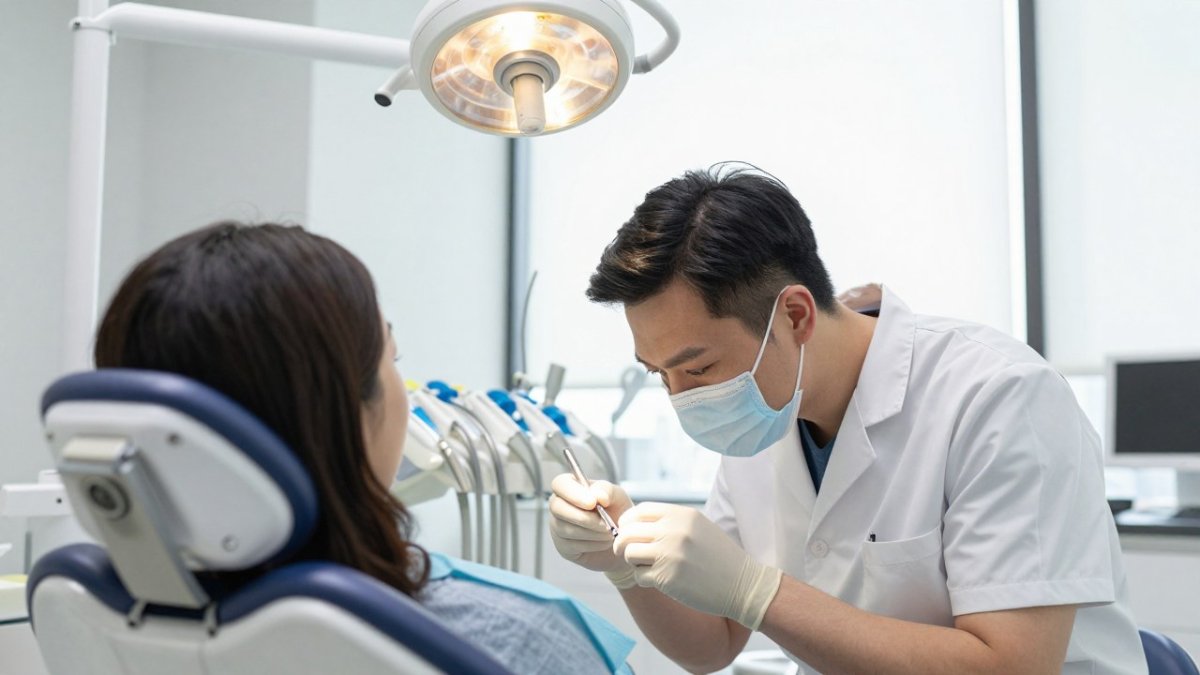
No article can tell you exactly how long your veneers will last. That answer comes from an exam: your bite, gums, habits, and the condition of your current veneers.
At Smiles of San Marcos, we check each of those before recommending repair, replacement, or a new set. Smiles of San Marcos, led by Dr.
Smiles of San Marcos emphasizes transparent pricing; for current prices or a quote, please visit the practice website.
Frequently Asked Questions
What are the downsides of porcelain veneers?
Porcelain veneers require removing a thin layer of tooth enamel, which is permanent. Some people notice temporary sensitivity after placement. Veneers can chip or crack under heavy bite force, and they are not repairable the way natural teeth are, so a damaged veneer usually needs replacement. Cost is another consideration, and insurance often treats veneers as cosmetic rather than medically necessary. A consultation helps you weigh these trade-offs against the appearance and durability benefits.
Can porcelain veneers be repaired, or do they need to be replaced?
Small chips or surface damage can sometimes be polished or patched with composite resin, but a veneer that has cracked through or come loose usually needs replacement. Repair is a short-term fix; the bond and structural integrity of the porcelain cannot be fully restored. Your dentist will assess the extent of the damage and recommend the option that protects the underlying tooth.
What happens to the natural tooth when a veneer needs replacement?
The natural tooth underneath stays protected by the veneer while it is in place. When a veneer is removed, the prepared enamel surface is exposed, which is why a new veneer is typically placed rather than leaving the tooth bare. If decay or gum issues developed underneath, those are treated first. Your dentist will evaluate the enamel and bond before proceeding with a new veneer.
Do porcelain veneers last longer than composite veneers?
Porcelain veneers generally last longer than composite veneers. Porcelain resists staining better and holds its shape under bite force, while composite can wear and discolor faster. Composite costs less upfront and is easier to repair, which some patients prefer. Your choice depends on budget, how much maintenance you want, and the condition of your teeth.
Veneers are a long-term investment, and the right care protects that investment. Get started with Smiles of San Marcos and a clear, no-pressure assessment of your veneers, your bite, and your next step.